Climate Adaptation and Environmentally Sustainable Behaviour
Introduction
The climate is changing, with significant consequences for human health and wellbeing, the natural environment, and the ways people think, feel, and act. Our psychological research helps us understand the links between health and climate change, biodiversity and human–nature relationships, and how people respond emotionally and cognitively to environmental threats and events. Our research plays a key role in shaping climate communication and social movements, and in supporting sustainable and pro-environmental behaviours that contribute to more resilient, equitable, and sustainable futures.
Within the University of Exeter, our research sits at the interface between psychology and sustainability science, focusing on the behavioural and social processes that underpin environmental change. While Exeter has internationally recognised strengths in climate, biodiversity, and systems research, our psychological expertise connects this knowledge to real-world behaviours, values, and collective action. Our research examines how people make decisions about food, land use, nature, and other animals, and how communication, identity, and social norms can be leveraged to support sustainable transitions.
Key Staff
Research areas
Health and Climate Change

Our research examines how climate change affects physical and psychological health across the life course, and how social, environmental, and commercial systems shape health risks, resilience, and adaptive capacity.
Examples of current research topics include:
- Healthy ageing and heat adaptation (Jennifer Lay)
- Commercial determinants of health (Lee Hogarth)
- Wellbeing benefits of nature connectedness and blue–green spaces (Matthew Owens, Kim Wright, Katherine Ashbullby, Helen Foster-Collins)
- Healthier and more sustainable diets (Natalia Lawrence, Cassandra Lowe, Luke McGuire)
- Providing support for eco anxiety (Katherine Ashbullby, David Hunt)
Biodiversity and human–nature relationships
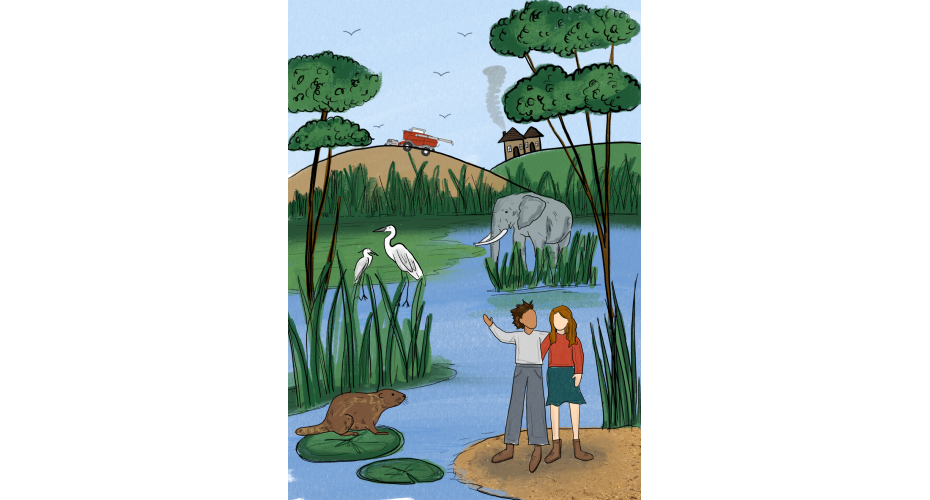
Research within this theme explores how humans interact with, value, and shape natural environments, and how these relationships influence biodiversity conservation, ecosystem functioning, and wellbeing across human and non-human species.
Examples of current research topics include:
- Landowners and recreational use of land (Joah Madden)
- Longevity conservation and ecological disturbance (Lauren Brent)
- Habitat design for humans and other animals (Natalie Hempel de Ibarra)
- Wetlands and zoos (Paul Rose)
Communications and Social Movements
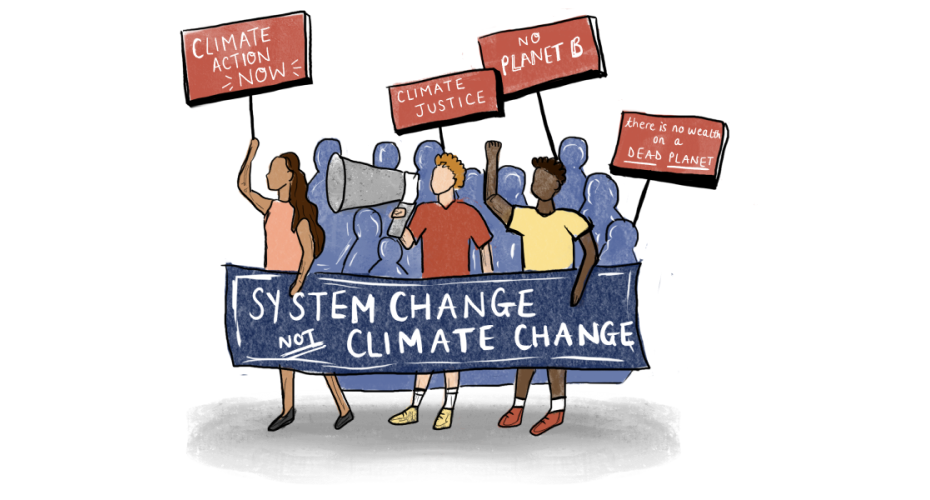
Research within this theme examines how communication, social influence, and collective processes shape public understanding of environmental issues and support effective collective action, activism, and organisational change.
Examples of current research topics include:
- Collective action and effective activism (Morgana Lizzio-Wilson, Mete Uysal)
- Eco-feminism (Morgana Lizzio-Wilson)
- Environmental misinformation (Adam Rutland, Lee Hogarth)
- Conservation organisation communication (Natalia Hempel de Ibarra)
Pro-Environmental Behaviour

Research within this theme focuses on understanding the psychological drivers of behaviours that support environmental sustainability, and on identifying effective ways to encourage and sustain positive change at individual, social, and societal levels.
Examples of current research topics include:
- Interventions to promote healthier and more sustainable diets (Natalia Lawrence, Cassandra Lowe, Luke McGuire)
- Sustainable land use and ecosystem services (Joah Madden, Natalie Hempel de Ibarra)
- The role of nature connectedness in promoting pro-environmental behaviour
- Applying insights from communication research to increase sustainable behaviours
- Using messaging about other animals to promote pro-biodiversity attitudes
Events
We host events including seminars from external and internal speakers and sessions to support collaboration. If you wish to receive emails about these events, please contact Dr Luke McGuire (L.McGuire@exeter.ac.uk) or Prof. Natalia Lawrence (Natalia.Lawrence@exeter.ac.uk) who can add you to our mailing list.